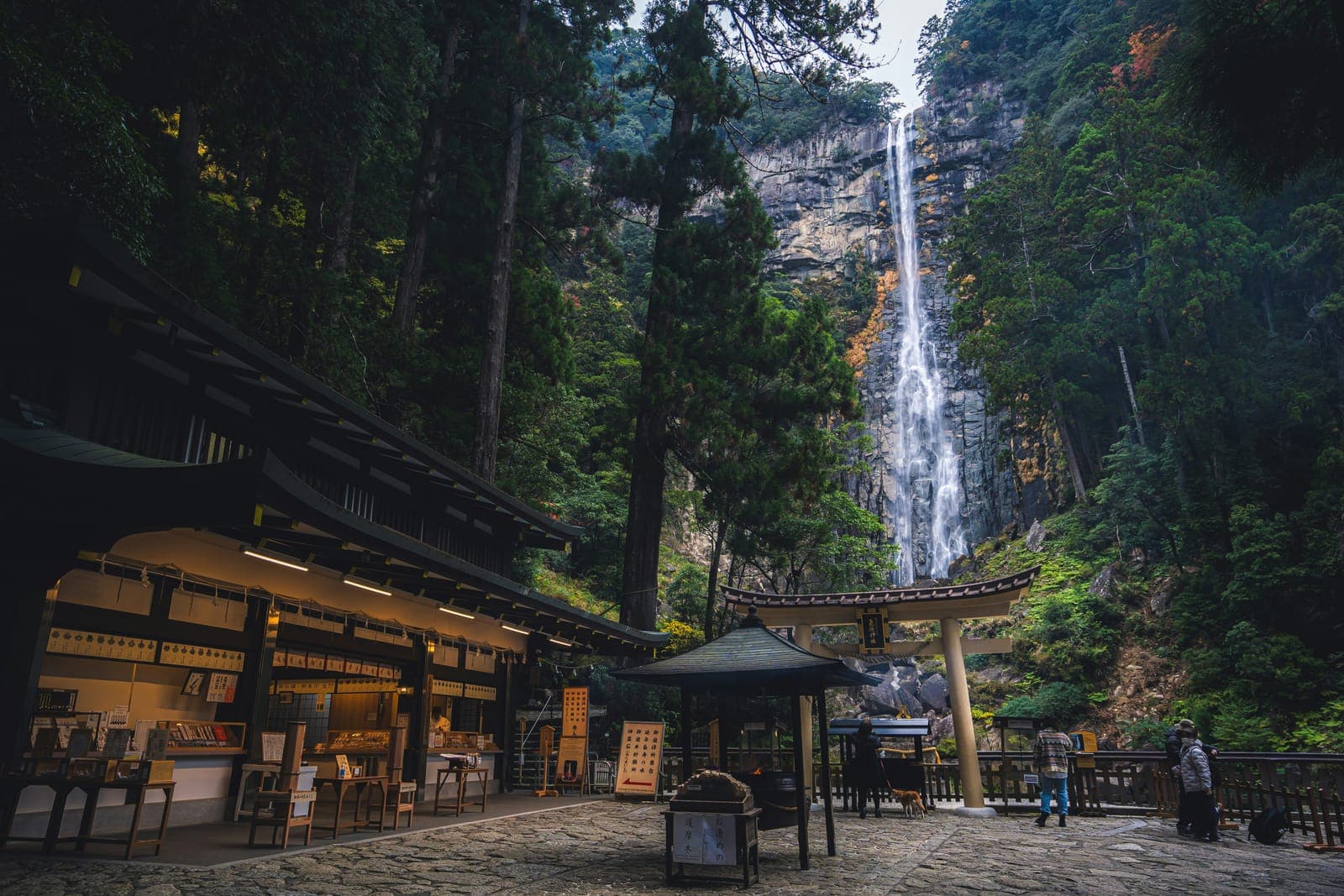
Living Better Every Day by Building Habits That Truly Last a Lifetime
Most people don’t fail at improving their lives because they lack motivation. They fail because the habits they try to build were never designed to last.
Most people don’t fail at improving their lives because they lack motivation. They fail because the habits they try to build were never designed to last.
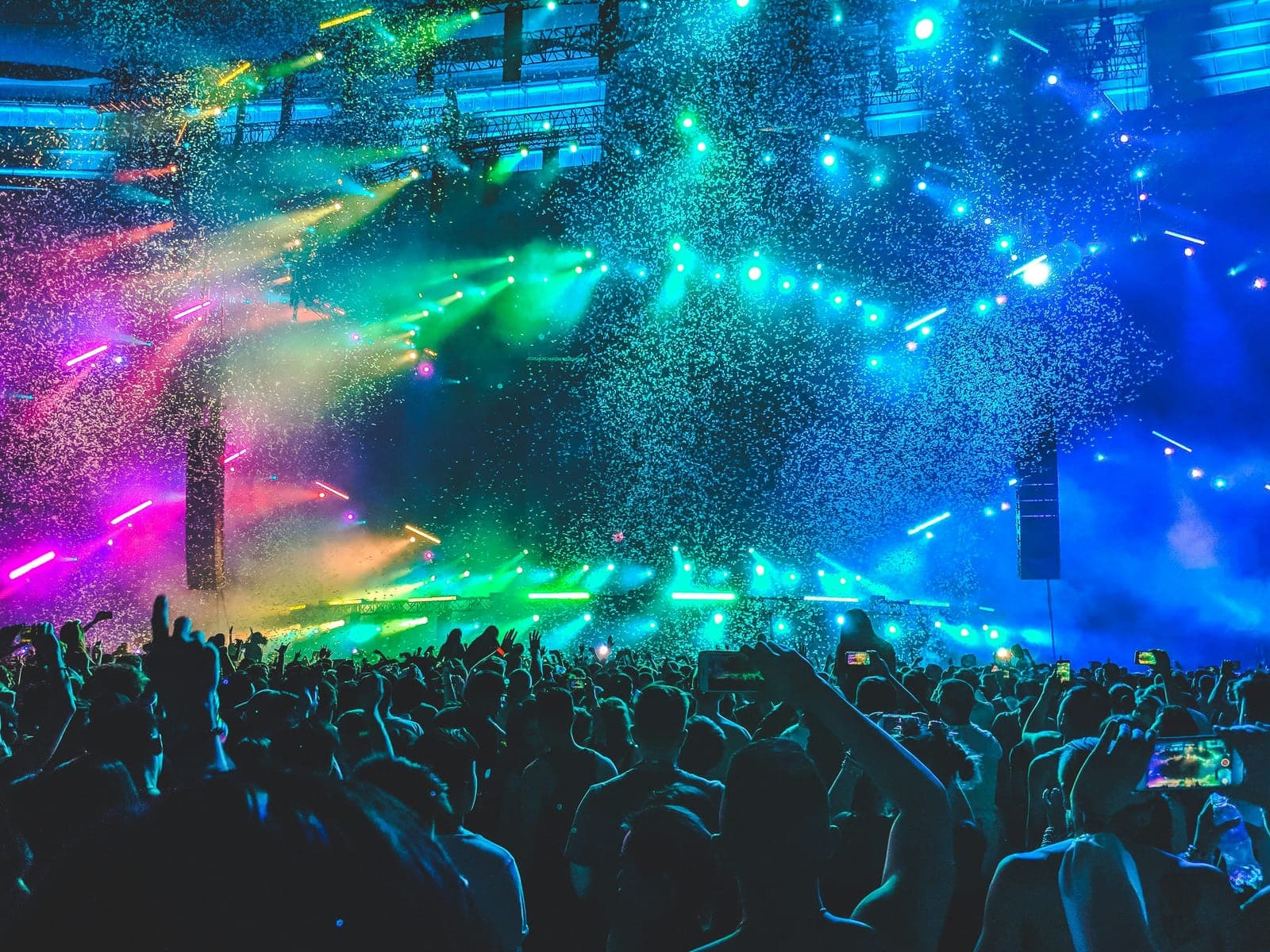
For centuries, live performances have been defined by one simple promise: you had to be there. A shared space, a fleeting moment, an unrepeatable experience.
For more than a century, the automotive industry has been driven by a familiar tension: power versus efficiency. Bigger engines delivered speed and status, while fuel economy was often treated as a compromise.
Travel has always been about movement, but its meaning is evolving. What once centered on destinations and itineraries is now shaped by values, technology, and a growing desire for deeper connection.
Much of the technology shaping everyday life doesn’t come from established giants. It comes from small teams, limited resources, and ambitious ideas designed to challenge how things have always been done.
Science rarely moves in sudden leaps. Progress unfolds through careful experimentation, long-term research, and ideas that take years to mature.
Leadership has always been shaped by context. In today’s organizations, that context is increasingly defined by data, algorithms, and automated systems that influence decisions at every level.
For decades, progress has been measured in speed, automation, and connectivity. Screens became smaller, faster, and more powerful. Life moved online.
Autonomous driving has long been framed as a near-future inevitability—a moment when human drivers quietly step aside and let machines take over.
For much of modern travel history, exploration was measured in distance covered and destinations collected. The faster you moved, the more you saw—or so the logic went.
For many years, cybersecurity was treated as a technical concern—important, but secondary to growth, product development, and market expansion.
From probing the origins of galaxies to preparing for life beyond Earth, space exploration has become more purposeful—and more ambitious—than ever.
Minimalist living has evolved from a niche lifestyle choice into a defining influence on how people design their spaces, manage their time, and shape their daily routines.
From geopolitical tensions and shifting trade policies to technological disruption and climate risk, uncertainty has become a permanent feature of the economic landscape.
Fueled by streaming platforms, social media, and borderless collaboration, modern music culture is no longer defined by geography or genre.
Once driven primarily by horsepower and design, today’s vehicles must now balance performance, environmental responsibility, and aesthetic appeal.
As global exploration becomes more accessible, many travelers are seeking experiences that go beyond surface-level sightseeing.
Rapid technological change, shifting consumer behavior, geopolitical uncertainty, and economic pressure have reshaped the business landscape.
Small, consistent practices can create balance, build resilience, and support long-term wellbeing without adding pressure.
What began as an alternative to traditional television and cinema has evolved into a dominant force shaping how content is created, distributed, and consumed.
Despite centuries of study and recent technological breakthroughs, the brain still holds countless mysteries—making it one of the final frontiers of scientific exploration.
Instead of simply watching content, they’re learning to cook new cuisines, play instruments, code, design, or speak new languages.
Artificial intelligence is often portrayed as a dramatic force—powerful algorithms, futuristic machines, and sweeping change. In reality, its most profound impact is happening quietly.
From cinematic spectacles to binge-worthy series, these are the projects set to dominate discussions across screens and social feeds.
While many discoveries are still emerging, their potential impact on healthcare could be profound—reshaping outcomes, accessibility, and the future of human health.
The idea of work-life balance once implied a clear division between professional responsibilities and personal time. Today, that boundary has blurred.
Once defined by episodic formats and fixed schedules, modern television now reflects shifting audience habits, technological innovation, and a growing appetite for complex narratives.
Travel is no longer just about reaching a destination. In a more conscious global era, people are rethinking how, why, and where they travel.
From factories and offices to hospitals and creative studios, automated systems are reshaping how work is done, who does it, and what skills matter most.
In the modern automotive world, software has emerged as the most critical feature—quietly transforming vehicles from machines into intelligent, connected platforms on wheels.
From home improvement and crafting to electronics and upcycling, DIY culture is reshaping how people approach creativity, learning, and everyday problem solving.
As global markets navigate shifting economic signals and evolving investor sentiment, this quarter has become a critical moment for strategic decision-making.
Passion projects often begin quietly—an idea explored after work, a creative habit practiced on weekends, or a curiosity followed without a clear destination.
Congestion, environmental regulations, limited space, and shifting consumer habits are redefining what mobility means in urban environments.
In an economy often dominated by global brands and mass-market platforms, small businesses are finding success by narrowing their focus rather than expanding it.
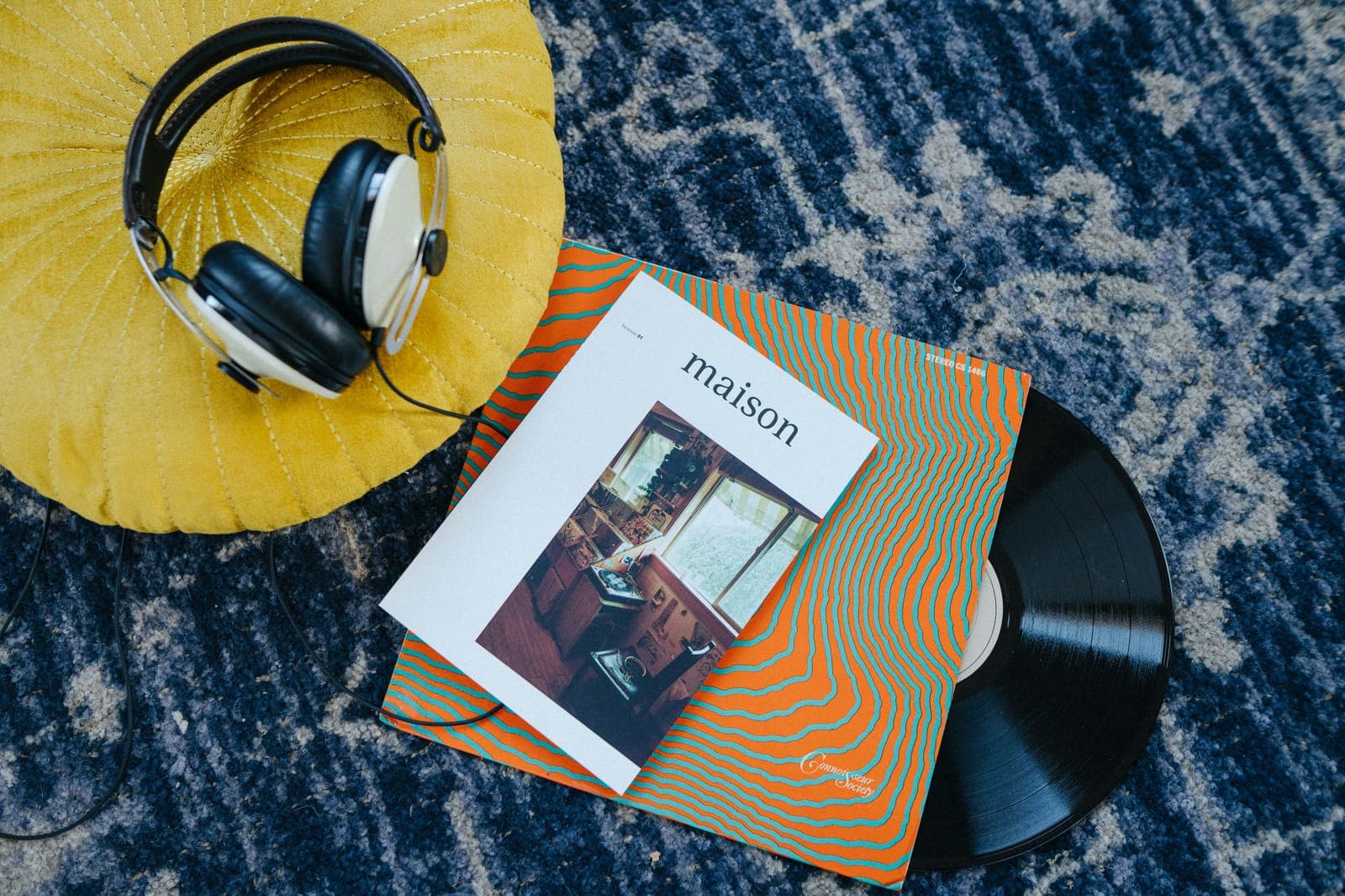
In a world where music, books, art, and even friendships increasingly exist in digital form, collecting physical objects might seem outdated.
Advances in biology, medicine, and technology are revealing that aging is not a fixed process, but a complex system that may be influenced, slowed, and even partially reversed.
Independent voices are building loyal audiences outside traditional studio systems.Independent voices are building loyal audiences outside traditional studio systems.
What we prioritize, how we spend our time, and the habits we nurture gradually form the foundation of a life aligned with purpose and fulfillment.
The freedom to work from anywhere has turned the world into a map of possibilities. For digital nomads, choosing a new home abroad is both exciting and complex.
From artificial intelligence and automation to advanced infrastructure and digital security, this global push is redefining how innovation is measured and deployed.
From film reboots and retro music revivals to vintage-inspired fashion collections, the past continues to influence what we watch, listen to, and wear.
As climate concerns intensify and energy demand continues to rise, renewable energy innovations are moving from the margins to the mainstream.
Companies are no longer pursuing deals solely for scale—they are using M&A to gain resilience, access innovation, and reposition themselves for long-term relevance.
Traditional city guides often focus on must-see attractions and popular routes. While useful, they rarely capture the rhythms of everyday life.
Sustainability is no longer a niche concern or a branding exercise. Across industries, sustainable business models are emerging as the new foundation for long-term growth.
Directors, artists, and storytellers spend years shaping ideas into works that captivate audiences, blending intuition, experimentation, and discipline to bring imagination to life.
However, alongside these benefits arise serious ethical questions that society must address to ensure technology serves humanity rather than undermines it.
What people wear, how they design their spaces, and even how they present themselves online now reflects a desire for authenticity, ease, and functionality—without sacrificing visual appeal.
These hobbies foster belonging, encourage collaboration, and remind us that meaningful connections often happen beyond the digital space.
As electric vehicles become a central part of global transportation, charging infrastructure is emerging as one of the most critical factors shaping their adoption.
As digital tools become more intelligent and responsive, their success will be measured not by how impressive they appear, but by how naturally they enhance daily experiences.
They are becoming a central part of modern transportation, driven by advances in technology, environmental awareness, and shifting consumer expectations.
More people are moving away from quick fixes, extreme routines, and short-term solutions, choosing instead to focus on practices that support long-term health.
Quantum computing promises to redefine what technology can achieve by tackling problems that were once considered impossible to solve.
Overtourism, rising costs, and crowded landmarks have inspired a growing interest in destinations that offer authenticity without the crowds.
Activities such as drawing, writing, music, and crafting are no longer seen as optional pastimes, but as essential tools for maintaining mental wellbeing.
Traditional company culture was often built through shared physical spaces, daily interactions, and in-person rituals. With remote work, culture is no longer tied to an office.
Whether along forest trails or local parks, time spent walking outdoors promotes mindfulness and offers a sense of calm that is difficult to replicate indoors.
Social media, instant communication, and unlimited access to information have transformed how people learn, reflect, and evolve.
Sustainable tourism is no longer a niche concept reserved for eco-conscious travelers—it is a necessary shift in how people experience the world.
Once seen as a passion project for developers and hobbyists, open-source technology has evolved into a powerful force shaping how modern industries operate.
In an era defined by touchscreens, software updates, and autonomous systems, classic cars stand as tangible reminders of a more mechanical past.
Climate change is no longer a distant concern discussed only in academic circles. Today, climate research plays a central role in shaping national policies, corporate strategies, and international agreements.


Join our newsletter to receive the latest insights, tips, and stories directly to your inbox weekly.