byRachel Kimon
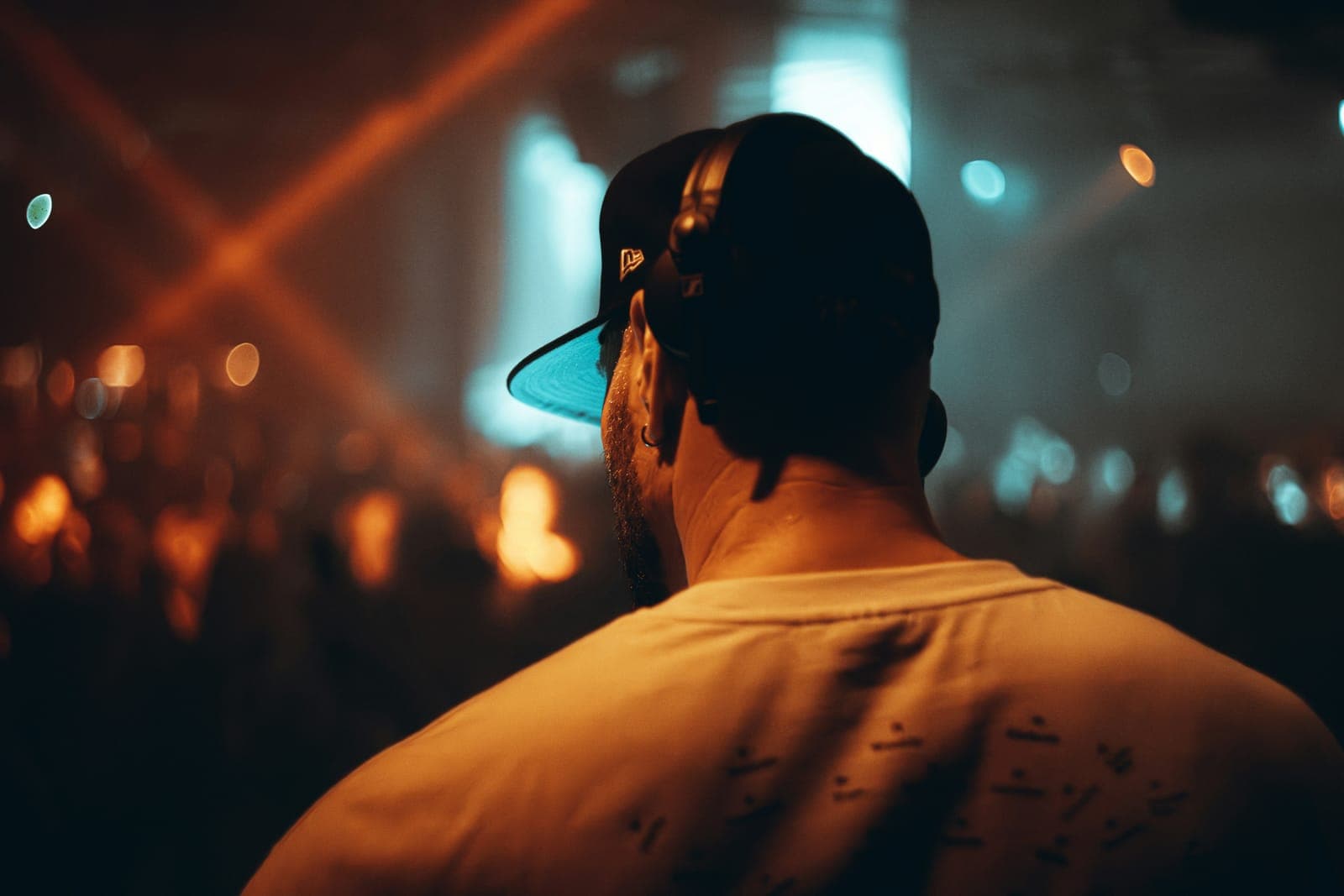
What the Future Holds for Live Shows, Events, and Performances
For centuries, live performances have been defined by one simple promise: you had to be there. A shared space, a fleeting moment, an unrepeatable experience.

Entertainment & Hobbies Contributor
Writes about technology, science, and digital ethics, examining how innovation shapes society.
For centuries, live performances have been defined by one simple promise: you had to be there. A shared space, a fleeting moment, an unrepeatable experience.
For more than a century, the automotive industry has been driven by a familiar tension: power versus efficiency. Bigger engines delivered speed and status, while fuel economy was often treated as a compromise.
Leadership has always been shaped by context. In today’s organizations, that context is increasingly defined by data, algorithms, and automated systems that influence decisions at every level.
What began as an alternative to traditional television and cinema has evolved into a dominant force shaping how content is created, distributed, and consumed.
Artificial intelligence is often portrayed as a dramatic force—powerful algorithms, futuristic machines, and sweeping change. In reality, its most profound impact is happening quietly.
From factories and offices to hospitals and creative studios, automated systems are reshaping how work is done, who does it, and what skills matter most.
In the modern automotive world, software has emerged as the most critical feature—quietly transforming vehicles from machines into intelligent, connected platforms on wheels.
What we prioritize, how we spend our time, and the habits we nurture gradually form the foundation of a life aligned with purpose and fulfillment.
These hobbies foster belonging, encourage collaboration, and remind us that meaningful connections often happen beyond the digital space.
Quantum computing promises to redefine what technology can achieve by tackling problems that were once considered impossible to solve.
Activities such as drawing, writing, music, and crafting are no longer seen as optional pastimes, but as essential tools for maintaining mental wellbeing.
Sustainable tourism is no longer a niche concept reserved for eco-conscious travelers—it is a necessary shift in how people experience the world.


Join our newsletter to receive the latest insights, tips, and stories directly to your inbox weekly.